Health Tracking Apps: A Simple Guide to Supporting Everyday Wellness
In recent years, health tracking apps have become popular tools for people who want to better understand their daily habits. These apps are designed to help users track activities such as physical movement, sleep patterns, hydration, and basic wellness goals. When used responsibly, health tracking apps can support awareness and encourage healthier routines.
This article explains what health tracking apps are, how they work, and how they can be used safely as part of a balanced lifestyle.
What Is a Health Tracking App?
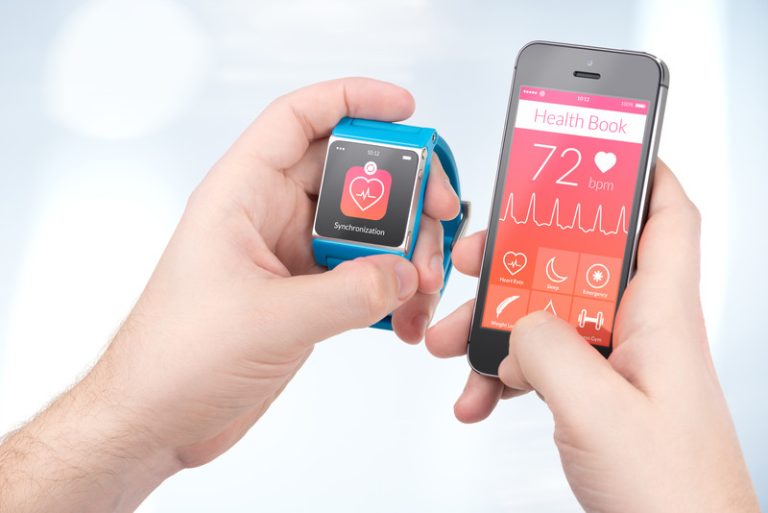
A health tracking app is a digital tool, usually installed on a smartphone or wearable device, that records everyday health-related data. Common features include:
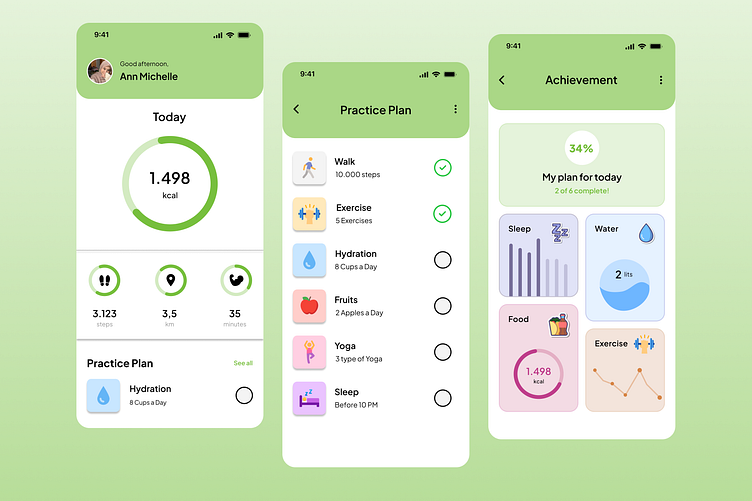
- Step and activity tracking
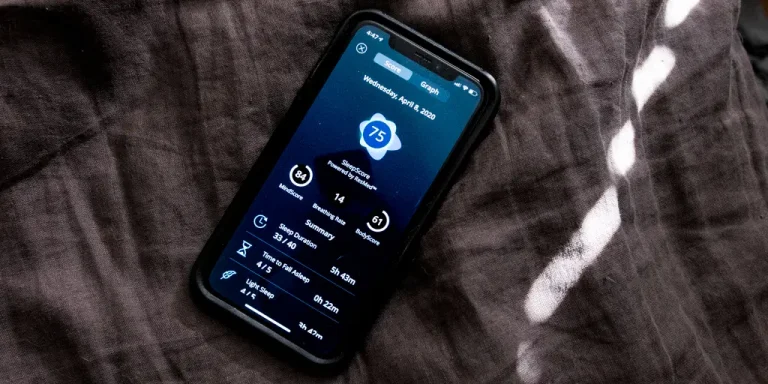
- Sleep duration and patterns
- Heart rate monitoring (if supported by a device)
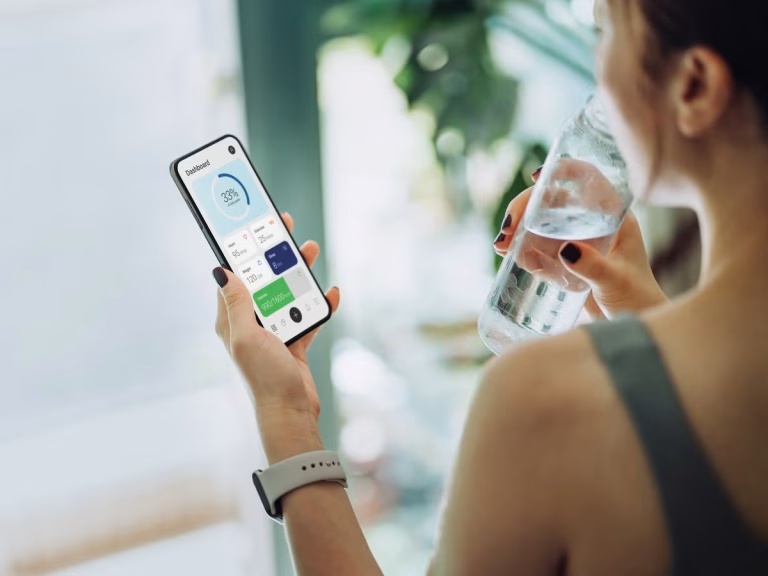
- Water intake reminders
- Basic goal setting for movement or rest
These apps are designed for general wellness tracking, not for diagnosing medical conditions or replacing professional healthcare advice.
How Health Tracking Apps Work
Most health tracking apps collect data through:
- Smartphone sensors (such as motion tracking)
- Wearable devices like smartwatches or fitness bands
- Manual user input, such as logging meals or water intake
The app then presents this information in charts or summaries to help users understand trends over time. This can make it easier to notice patterns, such as how sleep quality may change with daily routines.
Potential Benefits of Health Tracking Apps
When used appropriately, health tracking apps may offer several general benefits:
Increased Awareness
Tracking daily habits can help users become more aware of their activity levels, sleep routines, and overall wellness patterns.
Motivation for Healthy Habits
Seeing progress over time may encourage consistency in activities like walking, stretching, or maintaining regular sleep schedules.
Organization and Routine
Apps often include reminders and simple goals, which can support routine-building without pressure or strict rules.
Important Limitations to Understand
Health tracking apps have limitations and should be used with realistic expectations:
- Data is not always perfectly accurate
- Apps do not diagnose or treat health conditions
- Results should not be used to make medical decisions
- Individual health needs vary from person to person
For any health concerns, symptoms, or medical questions, it is always best to consult a qualified healthcare professional.
Using Health Tracking Apps Safely
To use health tracking apps responsibly:
- Treat data as informational, not medical advice
- Avoid over-monitoring or stress related to numbers
- Choose apps with clear privacy policies
- Focus on long-term habits rather than daily perfection
Wellness is not about constant measurement but about sustainable, balanced routines.
Final Thoughts
Health tracking apps can be helpful tools for supporting general wellness awareness when used thoughtfully. They are best viewed as companions that encourage healthy habits, not as replacements for professional medical care.
By focusing on consistency, balance, and realistic goals, users can benefit from health tracking apps while maintaining a healthy and informed approach to their overall well-being.