Health Tracking Apps: An In-Depth Guide to Understanding Digital Wellness Tools
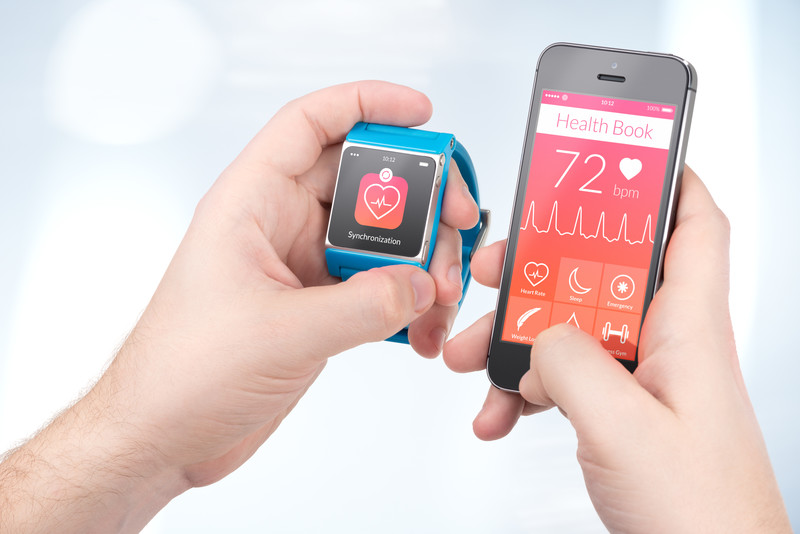
Health tracking apps have become an increasingly common part of modern life. From smartphones to wearable devices, many people now have access to tools that record daily activities, sleep patterns, and other general wellness indicators. These apps are designed to help users better understand their habits and make informed lifestyle choices.
This article provides a detailed, educational overview of health tracking apps, how they work, their potential benefits, their limitations, and how to use them responsibly. The goal is to offer clear, neutral information that supports wellness awareness without replacing professional medical guidance.
Understanding the Purpose of Health Tracking Apps
Health tracking apps are created to support general wellness, not medical diagnosis or treatment. Their main purpose is to collect and organize data related to everyday activities and routines. This information can help users recognize patterns and make small adjustments to support healthier habits.
Unlike medical devices used in clinical settings, most health tracking apps focus on lifestyle indicators such as movement, rest, and consistency. They are best viewed as educational tools rather than health authorities.
Common Features Found in Health Tracking Apps
Although features vary depending on the app and device, most health tracking apps include some combination of the following functions:
Activity Tracking
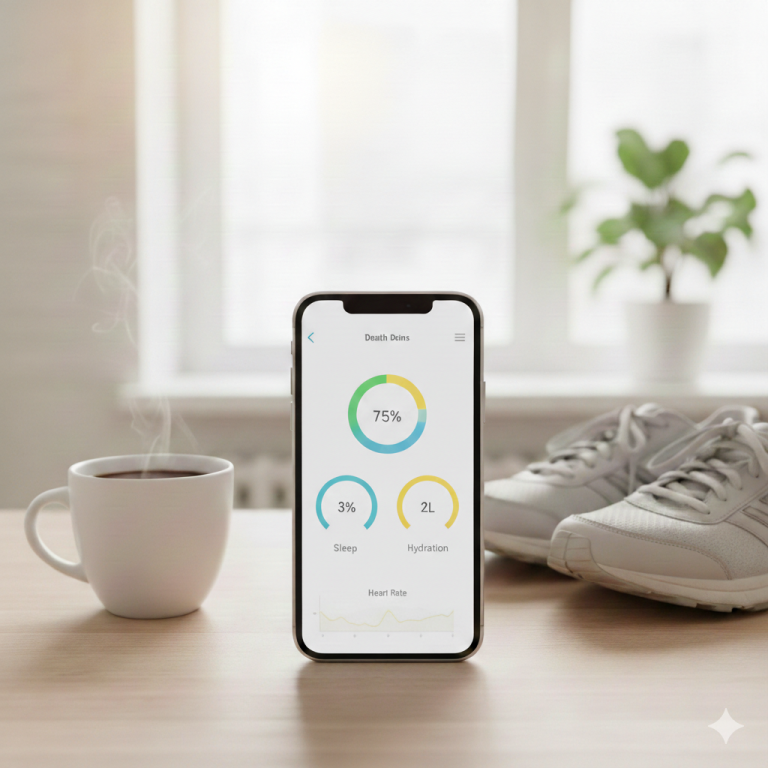
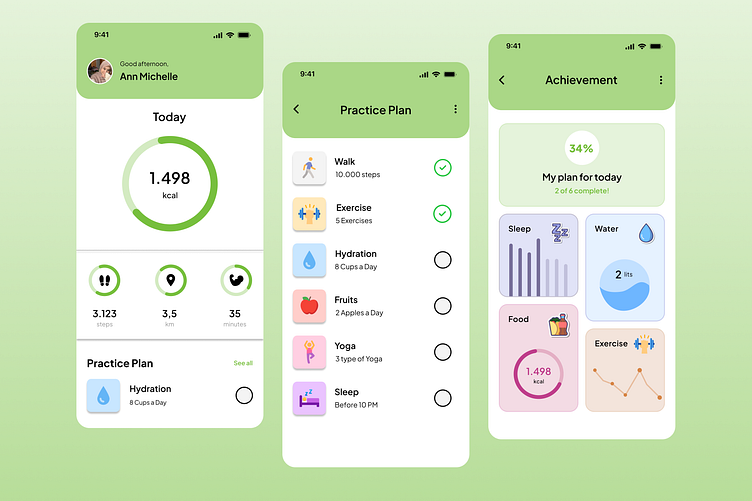
Many apps track steps, distance walked, or general movement throughout the day. This can help users understand how active they are during workdays, weekends, or specific routines.
Sleep Monitoring
Some apps estimate sleep duration and basic sleep patterns. This information can help users notice trends, such as how bedtime routines or screen use may affect rest.
Heart Rate Data
When paired with compatible devices, certain apps display heart rate information during rest or activity. This data is intended for general awareness, not medical evaluation.
Wellness Reminders
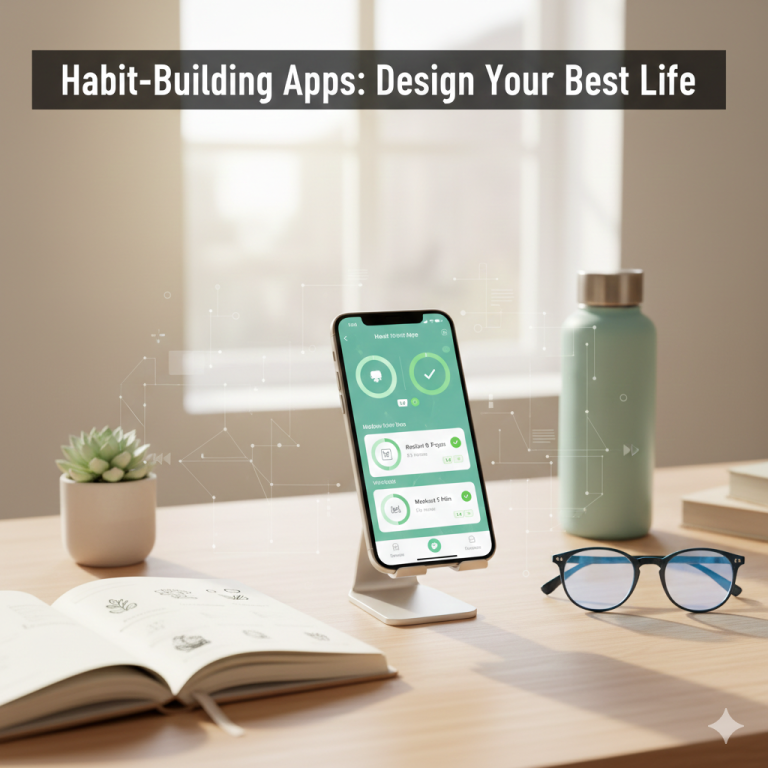
Apps often include reminders to move, stretch, hydrate, or rest. These prompts are designed to encourage consistency rather than perfection.
Goal Setting
Users may set simple goals, such as daily step targets or regular sleep schedules, based on personal preferences.
How Health Tracking Data Is Collected
Health tracking apps rely on different data sources, including:
- Built-in smartphone sensors such as accelerometers
- Wearable devices like smartwatches or fitness bands
- Manual entries, where users log information themselves
The accuracy of data can vary depending on device quality, usage habits, and environmental factors. For this reason, health tracking data should always be interpreted as approximate rather than exact.
The Role of Awareness in Personal Wellness
One of the primary values of health tracking apps is awareness. By visualizing daily habits, users may become more conscious of how lifestyle choices affect overall well-being.
For example:
- Recognizing long periods of inactivity during workdays
- Noticing irregular sleep patterns over time
- Understanding how routines change during busy or relaxed periods
This awareness can encourage thoughtful decision-making without pressure or judgment.
Potential Benefits of Using Health Tracking Apps
When used responsibly, health tracking apps may offer several practical benefits:
Encouraging Consistency
Seeing progress over time can motivate users to maintain healthy routines, such as regular walking or consistent sleep schedules.
Supporting Goal-Oriented Habits
Simple goals can provide structure without requiring extreme changes. Small, achievable steps are often easier to maintain long-term.
Providing Visual Feedback
Charts and summaries can help users understand trends that might otherwise go unnoticed in daily life.
Promoting Mindful Living
Tracking habits may encourage users to reflect on balance, rest, and personal priorities.
Understanding the Limitations of Health Tracking Apps
While health tracking apps can be helpful, it is equally important to understand what they cannot do.
Not a Medical Tool
Health tracking apps do not diagnose conditions, detect diseases, or replace healthcare professionals.
Data Accuracy Varies
Readings can be influenced by device placement, movement patterns, or technical limitations.
Individual Differences Matter
What works for one person may not work for another. Health data should never be compared competitively.
Risk of Over-Focus
Constant monitoring can sometimes lead to stress or unnecessary concern if users focus too heavily on numbers rather than overall well-being.
Responsible and Balanced App Usage
To get the most value from a health tracking app, consider these best practices:
- Use data as guidance, not absolute truth
- Avoid checking statistics excessively
- Focus on long-term patterns rather than daily fluctuations
- Adjust goals based on comfort and lifestyle
- Take breaks from tracking if it becomes overwhelming
Wellness is personal and flexible, not rigid or performance-based.
Privacy and Data Protection Considerations
Health tracking apps often collect sensitive personal data. Choosing an app with strong privacy standards is essential.
When evaluating an app, users should look for:
- Clear privacy policies
- Transparent data usage explanations
- Options to control data sharing
- Secure account protection features
Users should only share information they are comfortable storing digitally.
The Role of Health Professionals
Health tracking apps can complement professional healthcare, but they should never replace it. If users experience symptoms, discomfort, or health concerns, they should seek advice from qualified healthcare providers.
Some individuals may choose to share general activity or sleep trends with professionals for context, but any interpretation should be done by trained experts.
Health Tracking Apps and Long-Term Wellness
Long-term wellness is built through sustainable habits, not constant measurement. Health tracking apps can support this process when used thoughtfully and flexibly.
Rather than focusing on perfect scores or daily targets, users may benefit from asking broader questions such as:
- Am I maintaining a balanced routine?
- Do my habits support rest and movement?
- Am I feeling generally well over time?
The answers to these questions often matter more than individual data points.
Choosing the Right Health Tracking App
When selecting a health tracking app, users may want to consider:
- Ease of use
- Clear explanations of features
- Compatibility with existing devices
- Transparent privacy practices
- A focus on wellness rather than pressure
The best app is one that fits comfortably into daily life without creating stress.
Final Thoughts
Health tracking apps are tools designed to support awareness, organization, and general wellness habits. When used responsibly, they can help users understand routines, encourage consistency, and promote mindful living.
However, these apps should always be approached with balance and realistic expectations. They are not medical devices, and they do not replace professional care. Wellness is a long-term journey shaped by lifestyle choices, rest, movement, and personal needs.
By using health tracking apps as supportive companions rather than authoritative sources, users can benefit from digital wellness tools while maintaining a healthy, informed, and respectful relationship with their own well-being.