Habit-Building Apps: How Digital Tools Support Positive Lifestyle Changes
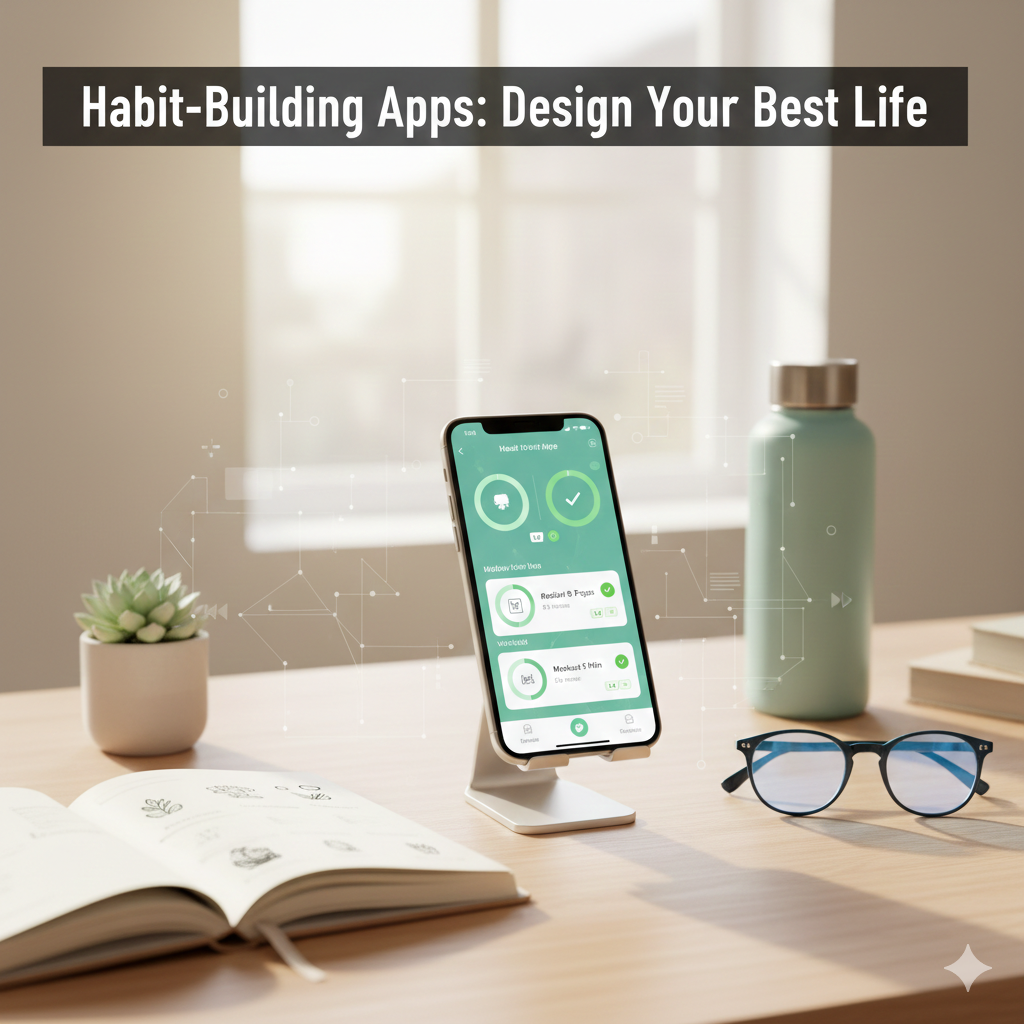
In today’s fast-paced world, many people are looking for practical ways to build healthier routines and maintain consistency in daily life. Habit-building apps have emerged as digital tools designed to support this goal by helping users organize tasks, track progress, and reflect on daily behaviors. These apps focus on lifestyle improvement rather than medical outcomes, making them suitable for general wellness and personal development.
This article explores habit-building apps in detail, explaining how they work, what they offer, their benefits, their limitations, and how to use them responsibly.
Understanding Habit-Building Apps
Habit-building apps are designed to help users develop and maintain positive routines over time. Unlike health or fitness apps that may track physical data, habit-building apps focus on behaviors such as daily movement, reading, hydration, planning, or mindfulness practices.
Their primary purpose is to encourage consistency through structure and reminders, not to measure health conditions or provide professional advice.
Why Habit Formation Matters
Habits shape daily life. Small, repeated actions can influence productivity, focus, and overall lifestyle balance. However, forming habits can be challenging, especially when routines are disrupted by busy schedules or changing responsibilities.
Habit-building apps aim to reduce this challenge by providing simple systems that make routines easier to follow and track.
Common Features of Habit-Building Apps
Most habit-building apps include features designed to support routine creation and reflection.
Daily Check-Ins
Users can mark habits as completed each day, creating a sense of continuity and progress.
Streak Tracking
Many apps show streaks or timelines that highlight consistency over time. This visual feedback can be motivating when used in a healthy way.
Customizable Reminders
Apps often allow users to set reminders at specific times to support habit consistency.
Progress Summaries
Weekly or monthly summaries help users review patterns without focusing on individual missed days.
How Habit-Building Apps Encourage Consistency
Habit-building apps use behavioral design principles to support long-term consistency. These include:
- Breaking habits into small, manageable actions
- Encouraging reflection rather than perfection
- Providing gentle feedback instead of strict penalties
By focusing on gradual improvement, these apps help users build routines that fit naturally into daily life.
Potential Benefits of Habit-Building Apps
When used thoughtfully, habit-building apps may offer several lifestyle benefits.
Improved Routine Awareness
Tracking habits helps users understand which routines are easy to maintain and which need adjustment.
Motivation Through Structure
Clear goals and visual progress can support motivation without pressure.
Reduced Decision Fatigue
Having predefined habits reduces the need to decide what to do each day.
Support for Personal Goals
Whether focused on learning, organization, or wellness, habit-building apps can support a wide range of personal objectives.
Understanding the Limitations
Habit-building apps are helpful tools, but they have limitations.
Habits Are Personal
What works for one person may not work for another. Apps cannot account for all individual circumstances.
Risk of Over-Tracking
Excessive focus on streaks or completion can lead to frustration rather than improvement.
Technology Dependence
Relying entirely on an app may reduce flexibility when routines change.
Recognizing these limitations helps users maintain a healthy relationship with habit-tracking tools.
Using Habit-Building Apps Responsibly
To use habit-building apps effectively, users should focus on balance and flexibility.
Best practices include:
- Starting with a small number of habits
- Allowing room for missed days
- Reviewing progress periodically instead of daily
- Adjusting habits as routines evolve
Consistency is built over time, not through rigid enforcement.
Privacy and Personal Data
Habit-building apps often collect basic behavioral data. While this data is generally less sensitive than medical information, privacy remains important.
Users should check:
- What data is stored
- How information is used
- Whether data can be exported or deleted
Choosing apps with transparent privacy policies supports user trust.
Habit-Building Apps in Work and Education
Many professionals and students use habit-building apps to support productivity, organization, and learning. In these settings, apps can help users maintain routines such as planning, reviewing notes, or taking breaks.
However, habit-building tools should always support flexibility and personal autonomy rather than enforce rigid expectations.
Habit-Building Beyond Digital Tools
While apps can support habit formation, long-term lifestyle changes depend on mindset, environment, and personal motivation. Offline strategies such as scheduling, accountability partners, and reflection play an equally important role.
Apps are most effective when used as supportive tools rather than the sole source of structure.
Choosing the Right Habit-Building App
Selecting the right app depends on individual preferences and goals.
Consider factors such as:
- Simplicity and usability
- Customization options
- Focus on encouragement rather than pressure
- Alignment with personal routines
An effective app should feel helpful and adaptable.
Long-Term Perspective on Habit Formation
Habits evolve as life changes. A routine that works during one phase may need adjustment later. Habit-building apps should allow for flexibility and reflection rather than fixed expectations.
Long-term success comes from adapting habits to real-life circumstances.
Final Thoughts
Habit-building apps offer practical tools for supporting positive lifestyle changes through structure, awareness, and reflection. When used responsibly, they can help users develop routines that align with personal goals and daily realities.
However, these apps are not solutions on their own. Sustainable habits are built through patience, flexibility, and self-understanding. By using habit-building apps as supportive companions rather than strict systems, users can create meaningful routines that enhance daily life over time.