Sleep Awareness Apps: Understanding Tools That Support Better Rest and Daily Balance
Sleep plays an essential role in everyday life. It influences energy levels, focus, mood, and overall routine balance. As modern lifestyles become increasingly busy and technology-driven, many people are paying closer attention to their sleep habits. Sleep awareness apps have emerged as tools designed to help users understand their rest patterns and create healthier bedtime routines.
This article provides an educational and responsible overview of sleep awareness apps, including how they work, their potential benefits, their limitations, and best practices for using them safely and effectively.
What Are Sleep Awareness Apps?
Sleep awareness apps are digital tools designed to help users observe and reflect on their sleep habits. Unlike medical sleep devices or diagnostic tools, these apps focus on general awareness rather than clinical assessment.
Most sleep awareness apps aim to help users understand:
- Sleep duration and consistency
- Bedtime and wake-up routines
- Estimated rest patterns based on movement or device usage
They are intended for lifestyle support and personal insight, not for diagnosing sleep disorders or replacing professional care.
Why Sleep Awareness Matters
Sleep is a natural part of daily life, yet many people underestimate its importance. Irregular schedules, late-night screen use, work demands, and stress can all affect rest routines.
Sleep awareness apps help bring attention to patterns that may otherwise go unnoticed, such as:
- Inconsistent bedtimes
- Short sleep duration on workdays
- Differences between weekday and weekend sleep
By increasing awareness, users may be better equipped to make small adjustments that support healthier routines.
Common Features of Sleep Awareness Apps
Sleep awareness apps vary in design, but many include similar core features.
Sleep Duration Tracking
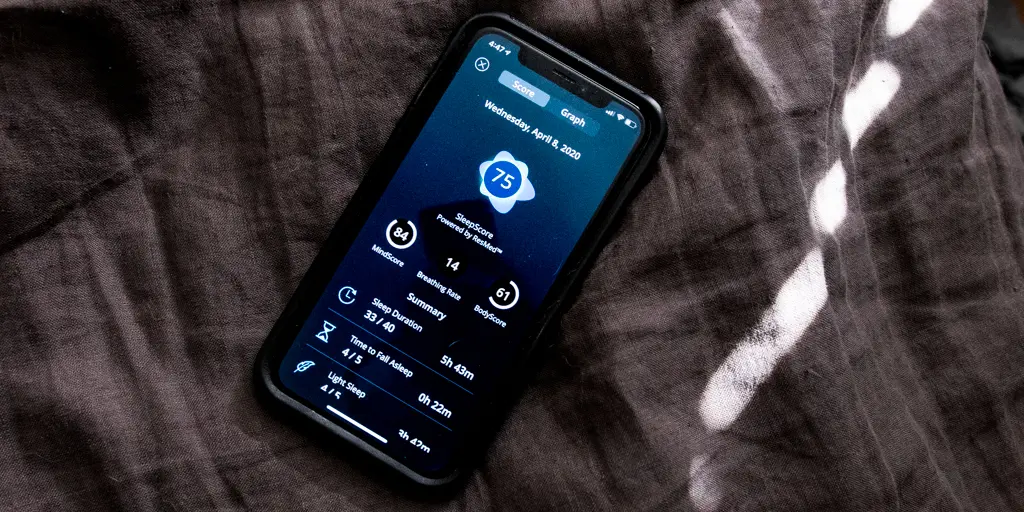
Most apps estimate how long users sleep by analyzing movement, device interaction, or wearable data.
Bedtime and Wake-Up Logs
Some apps allow users to log when they go to bed and when they wake up, helping identify consistency.
Sleep Trend Summaries
Weekly or monthly summaries help users observe long-term patterns rather than focusing on individual nights.
Gentle Reminders
Apps may send reminders encouraging users to prepare for bed or maintain consistent schedules.
How Sleep Awareness Apps Collect Data
Sleep awareness apps typically gather information through:
- Smartphone sensors that detect movement
- Wearable devices such as smartwatches
- Manual user input
Because this data is estimated, it may not reflect exact sleep stages or quality. Environmental factors, device placement, and movement during sleep can influence results.
For this reason, sleep data should be viewed as approximate and informational.
Understanding Sleep Data in Context
Sleep data becomes meaningful only when viewed in context. A single night of shorter sleep does not necessarily indicate a problem, just as one long night of rest does not guarantee balance.
Helpful questions to consider include:
- Is sleep duration consistent over time?
- Are bedtime routines stable or frequently changing?
- Do sleep patterns shift during busy periods?
Looking at trends rather than daily numbers helps users maintain a healthy perspective.
Potential Benefits of Sleep Awareness Apps
When used responsibly, sleep awareness apps may offer several lifestyle benefits.
Increased Awareness of Sleep Habits
Tracking bedtime routines and wake times can help users recognize habits that affect rest.
Support for Consistent Routines
Gentle reminders and visual feedback may encourage more regular sleep schedules.
Encouragement of Mindful Evenings
Awareness of late-night screen use or irregular routines may prompt more intentional wind-down practices.
Personal Reflection
Sleep summaries can help users reflect on how daily routines influence rest over time.
Important Limitations to Keep in Mind
Sleep awareness apps are helpful tools, but they have clear limitations.
Not Diagnostic Tools
These apps do not diagnose sleep conditions or provide medical advice.
Data Accuracy Is Limited
Estimated sleep patterns may not reflect actual sleep quality or stages.
Risk of Over-Focus
Some users may become overly concerned with sleep numbers, which can increase stress rather than improve rest.
Individual Sleep Needs Vary
Sleep requirements differ from person to person, and apps cannot determine what is ideal for everyone.
Understanding these limitations helps users avoid unrealistic expectations.
Using Sleep Awareness Apps Responsibly
To benefit from sleep awareness apps without negative effects, users should focus on balance.
Best practices include:
- Viewing data as general guidance, not exact measurement
- Focusing on long-term trends rather than single nights
- Avoiding constant checking or comparison
- Adjusting app use if tracking becomes stressful
Healthy sleep is about comfort and consistency, not perfection.
Privacy and Sleep Data
Sleep-related data is personal, making privacy an important consideration.
Users should look for apps that offer:
- Clear explanations of data collection
- Transparent data storage practices
- Control over data sharing
- Secure account protections
Choosing apps with strong privacy standards supports trust and peace of mind.
The Role of Sleep Awareness Apps Alongside Professional Care
Sleep awareness apps can provide general lifestyle context, but they should never replace professional guidance. If someone experiences persistent sleep difficulties or discomfort, consulting a qualified healthcare professional is always recommended.
App data may be shared with professionals for general discussion, but interpretation should always be handled by trained experts.
Sleep Awareness and Daily Lifestyle Balance
Sleep does not exist in isolation. Daily habits such as activity level, screen time, stress management, and routine consistency all influence rest.
Sleep awareness apps are most effective when combined with:
- Balanced daily schedules
- Relaxing pre-bed routines
- Comfortable sleep environments
- Mindful technology use
Apps support awareness, but habits shape outcomes.
Choosing a Sleep Awareness App
When selecting a sleep awareness app, users should consider:
- Simplicity and ease of use
- Clear explanations of features
- Minimal pressure or gamification
- Respect for personal boundaries
An effective app should feel supportive rather than demanding.
Long-Term Perspective on Sleep Tracking
Sleep patterns change over time due to work, travel, and lifestyle shifts. Sleep awareness apps should allow flexibility and adaptation rather than rigid expectations.
Periodically reviewing settings or taking breaks from tracking can help maintain a healthy relationship with sleep data.
Final Thoughts
Sleep awareness apps are tools designed to help users understand and reflect on their rest habits. When used responsibly, they can support routine consistency, encourage mindful evenings, and promote long-term awareness of sleep patterns.
However, these apps are not medical devices and should not be treated as authorities on sleep health. True rest comes from balanced routines, comfortable environments, and listening to personal needs.
By approaching sleep awareness apps with realistic expectations and flexibility, users can use digital tools as supportive companions in creating healthier and more sustainable sleep routines.