A Practical and Responsible Look at Health Tracking Apps in Everyday Life
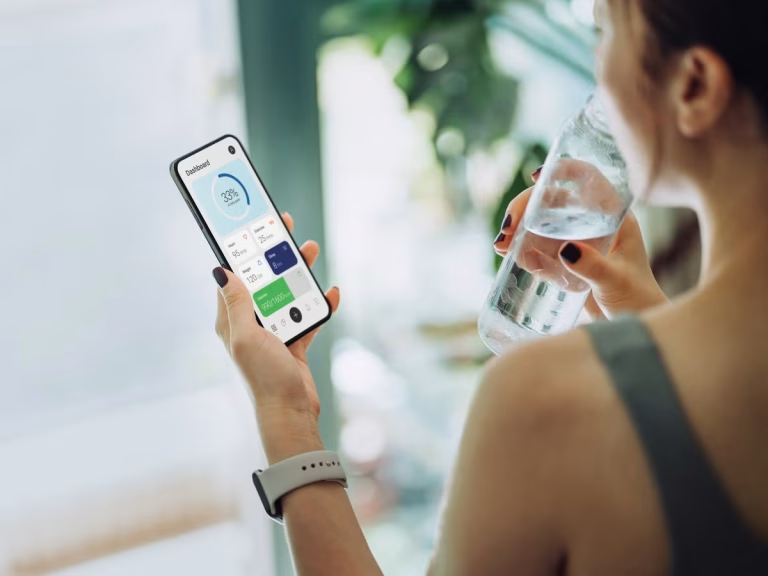
Health tracking apps have become widely used tools for people who want to understand their daily routines better. With smartphones and wearable devices now easily accessible, many individuals track activities such as walking, sleeping, or general movement throughout the day. While these apps are often described as “health tools,” their real value lies in supporting awareness and organization rather than providing medical insight.
This article offers a detailed and responsible overview of health tracking apps, explaining how they function, what they are designed to do, their benefits, their limitations, and how to use them in a balanced and informed way.
What Are Health Tracking Apps?
Health tracking apps are digital applications that collect and display data related to daily lifestyle habits. They are typically used for general wellness purposes and are not intended to diagnose, treat, or prevent medical conditions.
Most health tracking apps focus on everyday activities such as:
- Physical movement and step count
- Sleep duration and estimated sleep cycles
- Time spent active or sedentary
- General fitness or wellness goals
These apps are meant to help users notice patterns over time rather than provide precise or clinical measurements.
Why Health Tracking Apps Are So Popular
The popularity of health tracking apps is closely tied to modern lifestyles. Many people spend long hours working, commuting, or using digital devices, which can make it difficult to stay aware of daily habits. Health tracking apps offer a simple way to bring structure and visibility to routines that might otherwise go unnoticed.
Another reason for their widespread use is convenience. Most people already carry smartphones, and many apps work automatically in the background with minimal effort required from the user.
Common Features and Functions
Although health tracking apps differ in design and focus, many include similar core features.
Activity Monitoring
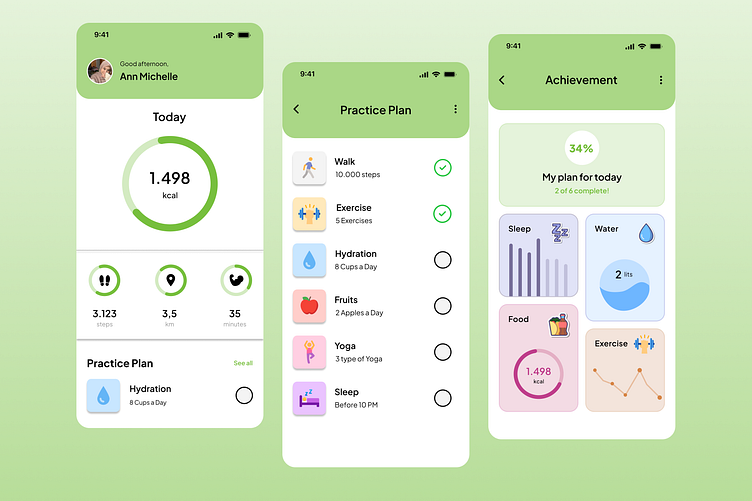
This feature estimates movement throughout the day, often by counting steps or measuring general motion. It can help users understand how active they are during different parts of the day or week.
Sleep Tracking
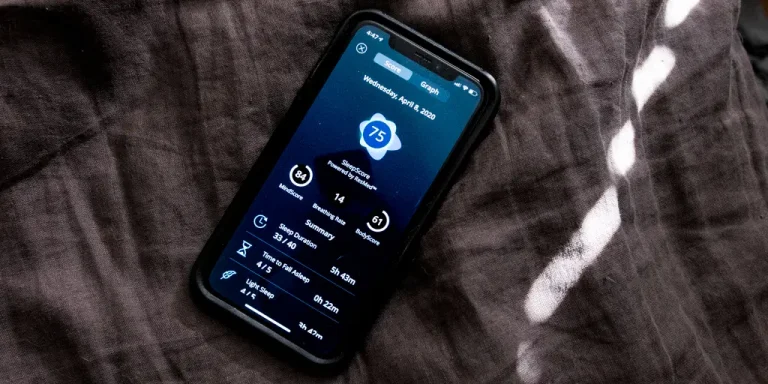
Some apps estimate sleep duration and rest patterns based on movement or device usage. This information can help users reflect on bedtime routines and consistency.
Daily Summaries
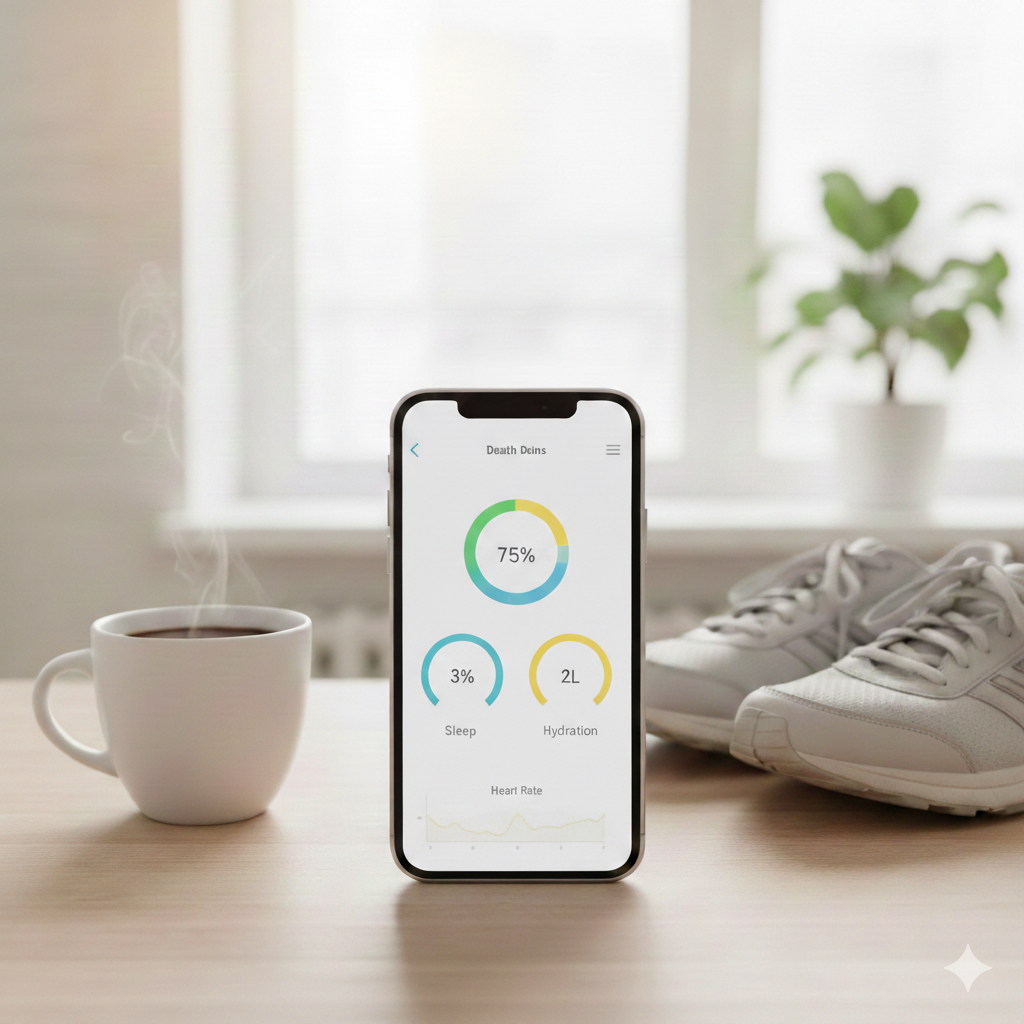
Most apps present information in charts or summaries that show trends over time. These visuals can make it easier to recognize habits and gradual changes.
Reminders and Notifications
Apps may include gentle reminders to move, stretch, or rest. These notifications are designed to support routine-building rather than impose strict rules.
How Health Tracking Apps Collect Data
Health tracking apps gather information through several methods:
- Device sensors, such as motion or orientation sensors
- Wearable technology, including smartwatches and fitness bands
- User input, where individuals manually log activities
Because data collection depends on technology and usage habits, results can vary. Factors such as device placement, battery level, or daily movement patterns can affect accuracy.
For this reason, health tracking data should always be viewed as approximate and informational.
Understanding Health Data in Context
One of the most important aspects of using a health tracking app is understanding context. Numbers alone do not tell the full story of a person’s well-being.
For example:
- A lower activity day may be due to rest, travel, or recovery
- Sleep estimates may differ from actual sleep quality
- Daily fluctuations are normal and expected
Health tracking apps are most useful when trends are observed over time rather than focusing on individual days or isolated readings.
Potential Benefits of Health Tracking Apps
When used thoughtfully, health tracking apps may offer several positive outcomes.
Increased Self-Awareness
Tracking daily habits can help users become more aware of how they spend their time and energy.
Support for Healthy Routines
Visual progress and gentle reminders can encourage consistency in movement, rest, and daily structure.
Motivation Without Pressure
For many users, seeing gradual progress can be motivating, especially when goals are flexible and personalized.
Organization and Reflection
Health tracking apps can serve as personal logs that help users reflect on lifestyle changes or routine shifts.
Important Limitations to Keep in Mind
Despite their usefulness, health tracking apps have clear limitations that should not be ignored.
Not Medical Devices
These apps do not provide medical diagnoses, treatments, or professional health advice.
Accuracy Is Not Guaranteed
Data can be influenced by technology limitations, user behavior, and environmental factors.
Risk of Over-Tracking
Some users may feel stressed or discouraged if they focus too much on numbers or targets.
Individual Needs Vary
Health and wellness are personal. What works for one individual may not be suitable for another.
Understanding these limitations helps users maintain a healthy relationship with tracking technology.
Using Health Tracking Apps in a Balanced Way
Responsible use is key to getting value from health tracking apps without negative effects.
Helpful guidelines include:
- Viewing data as general guidance, not strict rules
- Focusing on long-term patterns rather than daily results
- Adjusting goals to fit personal comfort and lifestyle
- Taking breaks from tracking if it becomes stressful
Wellness is about balance, not constant measurement.
Privacy and Data Awareness
Because health tracking apps collect personal data, privacy is an important consideration. Users should take time to understand how their information is stored and used.
Before choosing an app, it is wise to review:
- Privacy policies and data handling practices
- Options for controlling data sharing
- Account security features
Protecting personal information is an essential part of responsible app usage.
The Role of Health Tracking Apps Alongside Professional Care
Health tracking apps can complement professional care by providing general lifestyle context. However, they should never replace qualified healthcare professionals.
If someone experiences ongoing discomfort, unusual symptoms, or health concerns, seeking professional advice is always the safest and most reliable option.
Health data from apps should only be discussed with professionals as supplementary information, not as conclusions.
Long-Term Wellness Beyond Tracking
While health tracking apps can support awareness, long-term wellness depends on sustainable habits rather than constant monitoring.
Important elements of wellness include:
- Balanced daily routines
- Adequate rest and recovery
- Regular movement that feels comfortable
- Mental and emotional well-being
Technology can support these areas, but it cannot replace listening to one’s body and needs.
Choosing a Health Tracking App That Fits Your Lifestyle
Not all health tracking apps are the same. The best choice depends on personal preferences and comfort.
When selecting an app, consider:
- Simplicity and ease of use
- Clear explanations of features
- Minimal pressure or competitive elements
- Respect for user privacy
An app should feel supportive, not demanding.
Final Thoughts
Health tracking apps are tools designed to support awareness, organization, and general wellness habits. When used responsibly, they can help individuals reflect on routines, encourage consistency, and promote mindful living.
However, these apps should always be approached with realistic expectations. They are not medical authorities, and they do not define health on their own. True wellness comes from balanced habits, personal understanding, and professional guidance when needed.
By using health tracking apps as supportive companions rather than definitive sources, users can benefit from digital wellness tools while maintaining a healthy and informed perspective on their overall well-being.