How Do Wellness Apps Support Everyday Routines?
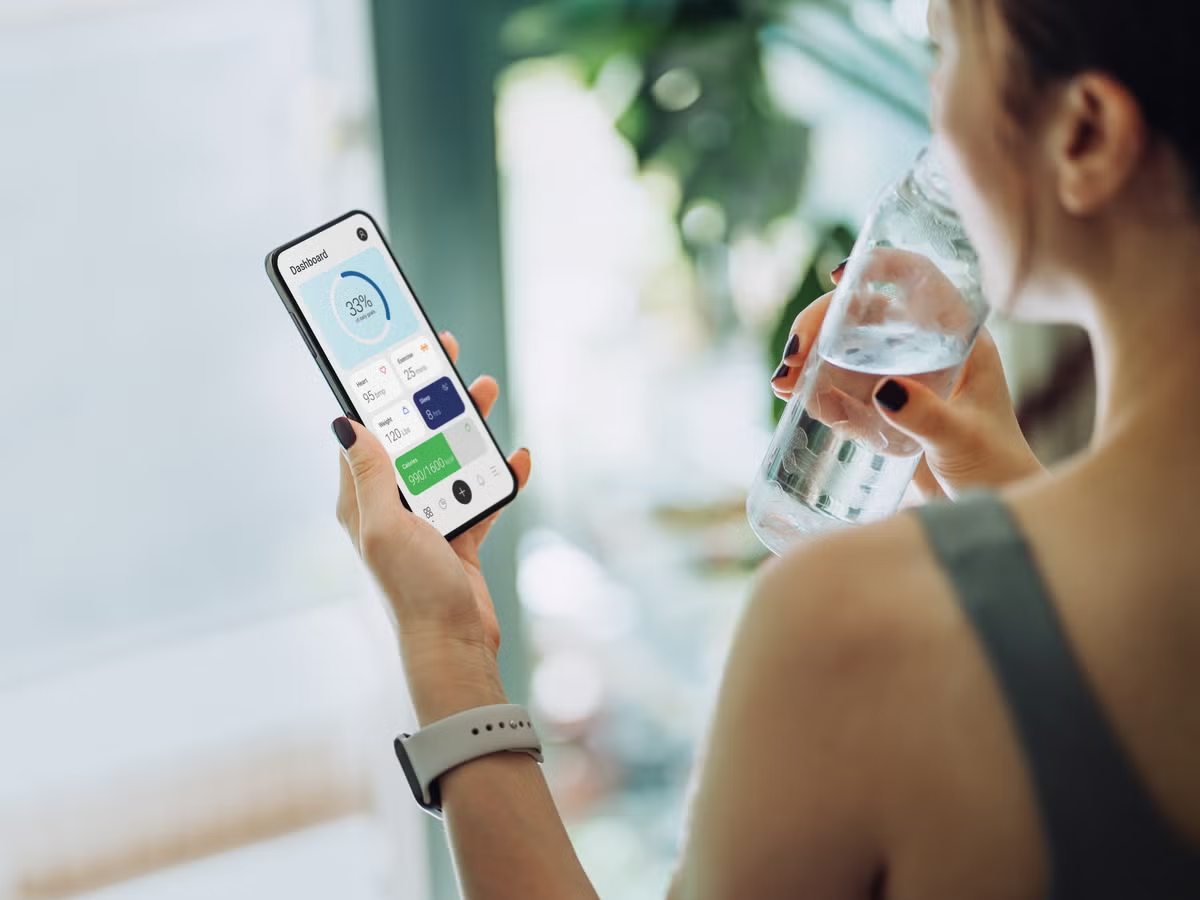
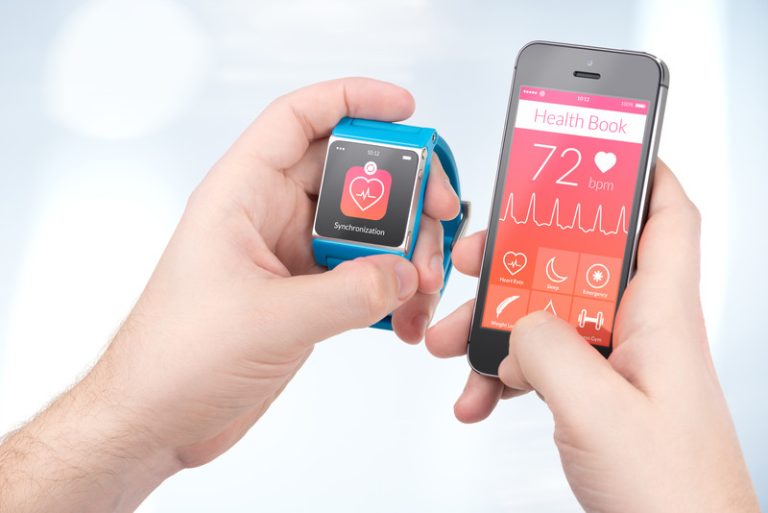
Wellness apps have become a common part of daily life for many people. From smartphones to wearable devices, these digital tools are designed to help users understand their routines and make more intentional lifestyle choices. Rather than focusing on medical treatment or diagnosis, wellness apps aim to support everyday habits such as movement, rest, focus, and balance.
This article explains how wellness apps support everyday routines, what they are designed to do, and how they can be used responsibly as part of a balanced lifestyle.
Understanding the Role of Wellness Apps
Wellness apps are built to support awareness and consistency, not perfection. Their main role is to help users notice patterns in daily behavior and provide gentle structure where needed. These apps do not define health or well-being; instead, they act as tools that organize information users may already experience but do not always track consciously.
By bringing daily habits into view, wellness apps can support small, manageable improvements over time.
Supporting Daily Awareness
One of the most important ways wellness apps support everyday routines is by increasing awareness. Many daily habits happen automatically, such as long periods of sitting, irregular sleep times, or extended screen use. Wellness apps help highlight these patterns in a simple and visual way.
For example, users may notice:
- How often they move during the day
- How consistent their daily routines are
- How habits change between weekdays and weekends
This awareness allows users to reflect and decide whether adjustments are needed.
Encouraging Consistent Habits
Consistency plays a key role in daily routines, and wellness apps often support this through reminders and gentle prompts. These reminders are typically flexible and customizable, allowing users to decide what fits their lifestyle.
Rather than forcing behavior, wellness apps encourage repetition through:
- Daily check-ins
- Habit reminders
- Progress summaries
This approach supports routine-building without pressure or strict rules.
Helping Users Organize Their Day
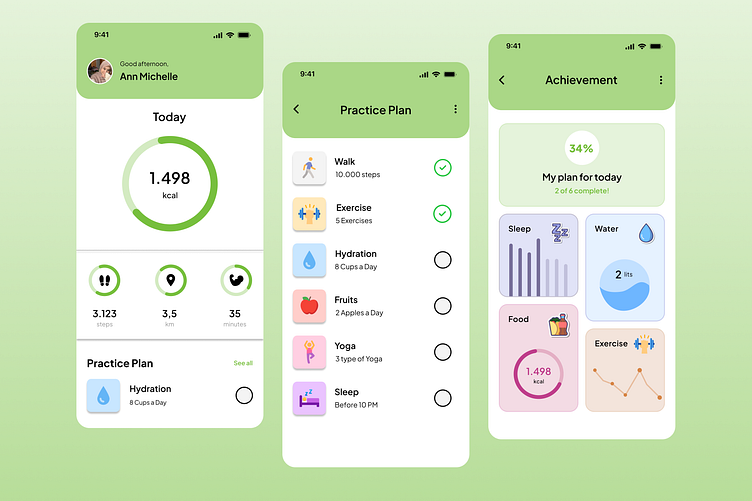
Wellness apps often act as organizational tools that bring structure to daily life. By tracking habits or activities, users can better understand how they allocate time and energy throughout the day.
This organization can help users:
- Balance work and rest
- Plan breaks during busy schedules
- Maintain regular routines
Having a clear overview of daily habits can make routines feel more manageable and intentional.
Providing Visual Feedback
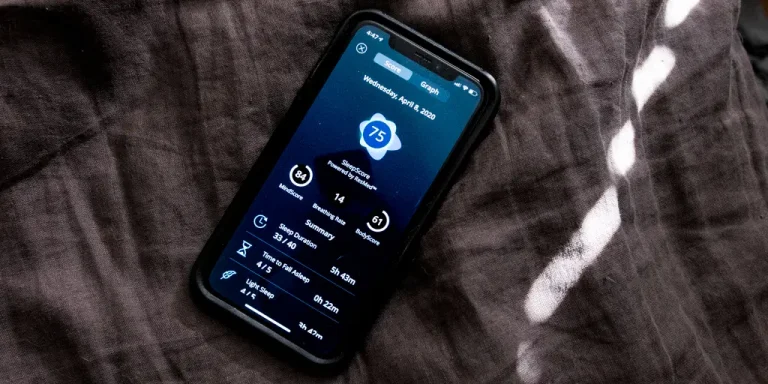
Visual feedback is a powerful feature of wellness apps. Charts, summaries, and timelines allow users to see progress over time rather than focusing on individual days.
This long-term perspective helps users:
- Recognize gradual improvements
- Understand routine changes
- Avoid overreacting to short-term fluctuations
Visual feedback supports motivation by showing trends instead of isolated data points.
Supporting Mindful Technology Use
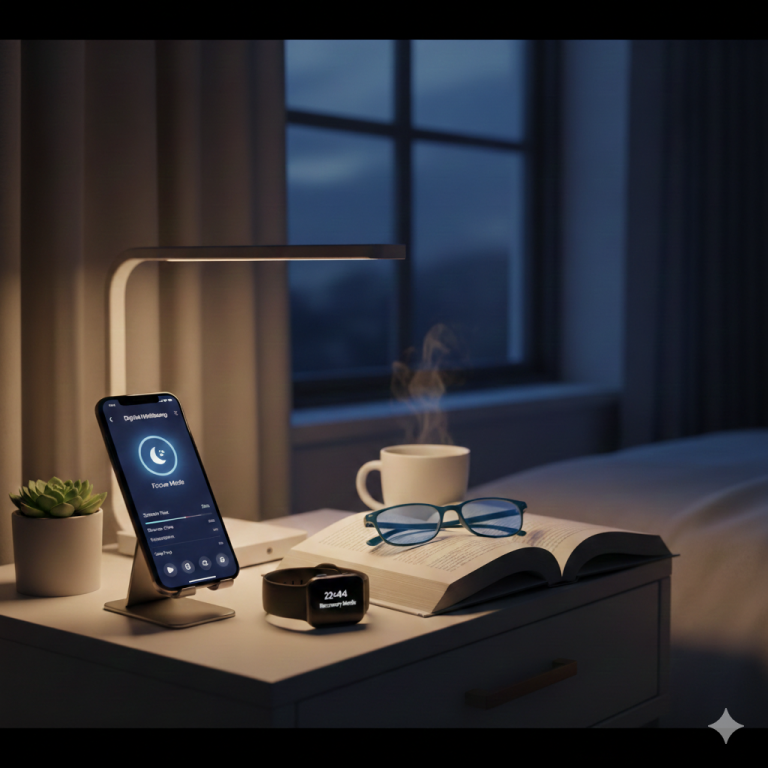
Many wellness apps also focus on digital balance by helping users understand how they interact with technology. This includes awareness of screen time, app usage, or focus patterns.
By highlighting digital habits, wellness apps can support:
- More intentional screen use
- Better focus during work or study
- Healthier boundaries with devices
This can help users create routines that feel balanced rather than overwhelming.
Encouraging Flexibility Instead of Perfection
A key strength of wellness apps is their ability to support flexibility. Well-designed apps recognize that routines change due to work demands, travel, or personal circumstances.
Wellness apps support flexibility by:
- Allowing missed days without penalties
- Focusing on trends instead of daily targets
- Encouraging reflection rather than judgment
This mindset helps users maintain routines without unnecessary stress.
Understanding the Limitations of Wellness Apps
While wellness apps can support everyday routines, they also have clear limitations. They are not designed to provide medical advice, diagnose conditions, or determine what is best for every individual.
Important limitations include:
- Data may be approximate rather than exact
- Apps cannot account for personal context fully
- Overuse may lead to unnecessary focus on numbers
Understanding these limits helps users maintain a healthy relationship with wellness tools.
Using Wellness Apps Responsibly
To gain the most benefit from wellness apps, users should approach them with realistic expectations. Responsible use focuses on balance rather than constant tracking.
Helpful practices include:
- Reviewing progress weekly instead of daily
- Adjusting goals as routines change
- Taking breaks from tracking if needed
- Using insights as guidance, not rules
Wellness apps should support life, not control it.
Privacy and Personal Data Considerations
Because wellness apps collect personal routine data, privacy is an important factor. Users should always review an app’s data practices and understand how information is stored and used.
Choosing apps with clear privacy policies and user control options helps build trust and confidence.
Wellness Apps as Supportive Tools
Wellness apps work best when viewed as supportive companions rather than authoritative sources. They can encourage awareness, consistency, and reflection, but they do not replace personal judgment or professional guidance.
Everyday routines are shaped by lifestyle, responsibilities, and personal preferences. Wellness apps simply help make those routines more visible.
Final Thoughts
Wellness apps support everyday routines by increasing awareness, encouraging consistency, and helping users organize daily habits in a flexible and non-judgmental way. When used responsibly, they can make routines easier to understand and adjust over time.
However, wellness apps are not solutions on their own. Sustainable routines are built through balance, patience, and self-awareness. By using wellness apps as tools—not rules—users can create routines that feel supportive, realistic, and aligned with their daily lives.